911 CALL ANALYSIS SERVICES

Forensic Review of Emergency Call Audio

Analyzing Critical Communications With Precision

911 calls are seldom—if ever—made in quiet, calm environments. When critical words are masked by noise, cross-talk, radio traffic, or multiple speakers, a forensic audio review can help determine what was said and, when possible, by whom. If the call would benefit from audio intelligibility enhancement, we’ll explain your options and what’s realistically achievable.

The call is buried in noise

Ambient noise, wind, vehicles, crowds, alarms, or distance make speech indistinct and hard to interpret.

Multiple speakers overlap

People at the scene talk over each other, or operator/unit communications bleed into the call and mask key phrases.

Clarity matters for decisions

Sound Testimony® can improve the audio quality of 911 calls—often greatly increasing clarity for review, transcription, and case strategy.

All calls with Sound Testimony® are confidential—your privacy comes first.

What a 911 Call Audio Expert Evaluates

Speech intelligibility & audibility

We evaluate whether critical words can be reliably understood using accepted forensic listening and enhancement techniques, distinguishing what is audible from what is not.

Speaker differentiation

When multiple voices overlap, we assess timing, vocal characteristics, and context to determine how many speakers are present and whether attribution is supportable.

Background sounds & events

Non-speech sounds—alarms, impacts, vehicles, or environmental noise—are evaluated for consistency with reported events and their effect on speech clarity.

Realistic limits of enhancement

Not all recordings can be “cleaned up.” We clearly explain what is and is not achievable so conclusions remain scientifically defensible.
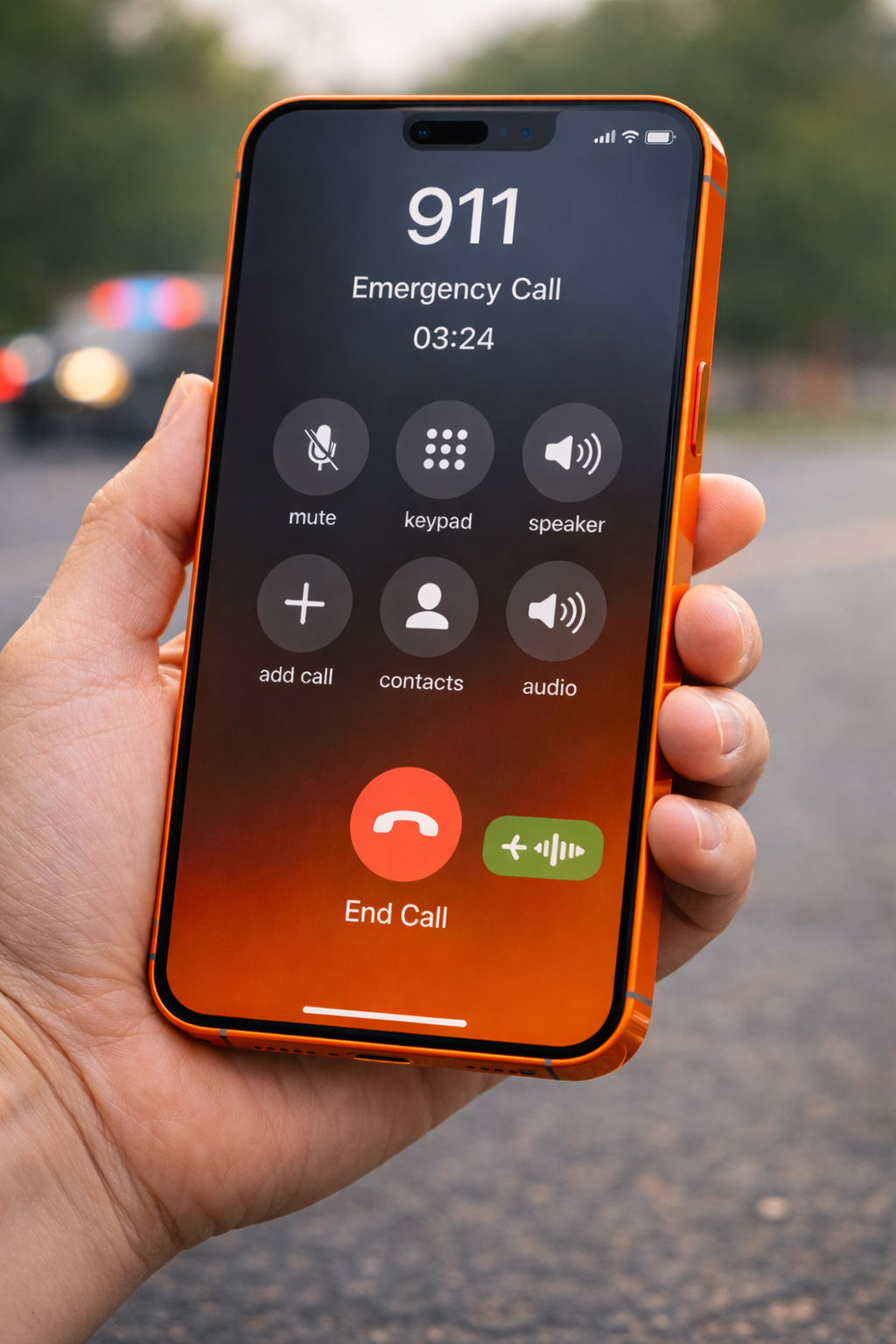
Forensic expert analyzing 911 call audio

Need Help Interpreting a 911 Call?

If a 911 call is unclear, disputed, or difficult to interpret, Sound Testimony® can evaluate speech intelligibility, overlapping speakers, and critical background sounds. Contact us for confidential guidance on what the audio can—and cannot—reliably reveal.

Frequently Asked Questions About 911 Call Analysis

911 call analysis is a forensic review of emergency-call audio to evaluate what was said, how clearly it can be understood, and whether key words or phrases can be interpreted reliably. The work often includes speech intelligibility assessment, careful listening under controlled conditions, and audio enhancement methods that reduce masking noise (when possible) without inventing speech. This service is commonly requested when transcripts are disputed, when critical phrases are unclear, or when clarity affects legal decisions and case strategy.
Often, yes—especially when speech is present but masked by background noise, cross-talk, radio traffic, multiple speakers, or distance from the microphone. Enhancement may improve intelligibility by reducing interference and stabilizing levels, making speech easier to evaluate and transcribe. Results depend on the source recording quality, compression artifacts, clipping, and whether the masked speech contains enough acoustic information to recover.
In many cases, yes. We evaluate timing, channel behavior, vocal characteristics, and overlap patterns to differentiate speakers and reduce confusion when voices talk over each other. If the recording is mono, heavily compressed, or multiple speakers overlap at the same time, separation may be limited. When attribution cannot be supported confidently, we state that clearly rather than overreaching.
We can support transcript accuracy by improving intelligibility and documenting what can be understood with reasonable certainty. In disputed transcript situations, we may identify where a transcript matches the audio, where it conflicts, and where the audio is indeterminate. If you already have a transcript, we can evaluate disputed segments and explain whether the audio supports one interpretation over another.
The goal is not to change what was said. The goal is to reduce interference that masks existing speech so the original content is easier to hear and evaluate. Proper forensic enhancement should not create words that are not present in the source recording. If the audio is too degraded to support a reliable interpretation, we explain those limitations plainly.
Sometimes. We can evaluate whether non-speech sounds (alarms, impacts, vehicles, sirens, yelling, or environmental noise) are present, when they occur, and whether they mask key speech. The ability to identify specific events depends on recording quality, frequency content, and whether the sound is distinct from other noise. We can also help clarify sequences when audio contains overlapping voices and competing sounds.
Yes. Attorneys, investigators, and agencies often request 911 call analysis when the wording matters, when interpretations differ, or when an accurate understanding of the call affects decisions. Enhanced audio can support review and transcript work, and findings can be documented for defensibility when needed. We focus on careful methodology and clear explanation of what the audio supports.
Turnaround depends on the length of the call, the number of files, the severity of masking noise, and whether there are multiple versions (for example, different exports or channels). The best starting point is providing the original file format you have (or the best available copy), plus the specific time ranges or phrases you are concerned about. After a brief review, we can outline realistic expectations and next steps based on what the recording contains.
If authenticity is a concern, audio authentication may be appropriate in addition to intelligibility work. Enhancement focuses on clarity; authentication focuses on integrity—such as signs of edits, missing portions, recompression, or anomalies. In some cases, both are requested: one to assess the recording’s integrity and another to make speech easier to evaluate.
911 Call Analysis

Get Expert Help Interpreting a 911 Call

When a 911 call is unclear, disputed, or difficult to interpret, forensic analysis can help determine what was said, how clearly it can be understood, and what the audio reliably supports. Sound Testimony® provides confidential, forensic-grade review focused on intelligibility, speaker overlap, and evidentiary integrity.

Sound Testimony® 

We offer Forensic Audio Services to a wide range of clients. Whether you are a legal professional or a private individual, we’re here to help you.

_0005s_0000__Group_      _0005s_0002__Group_       _0005s_0001__Group_

©2016 Sound Testimony®

TOP